 LMM Guide
1300 - 1500 Expulsion and return
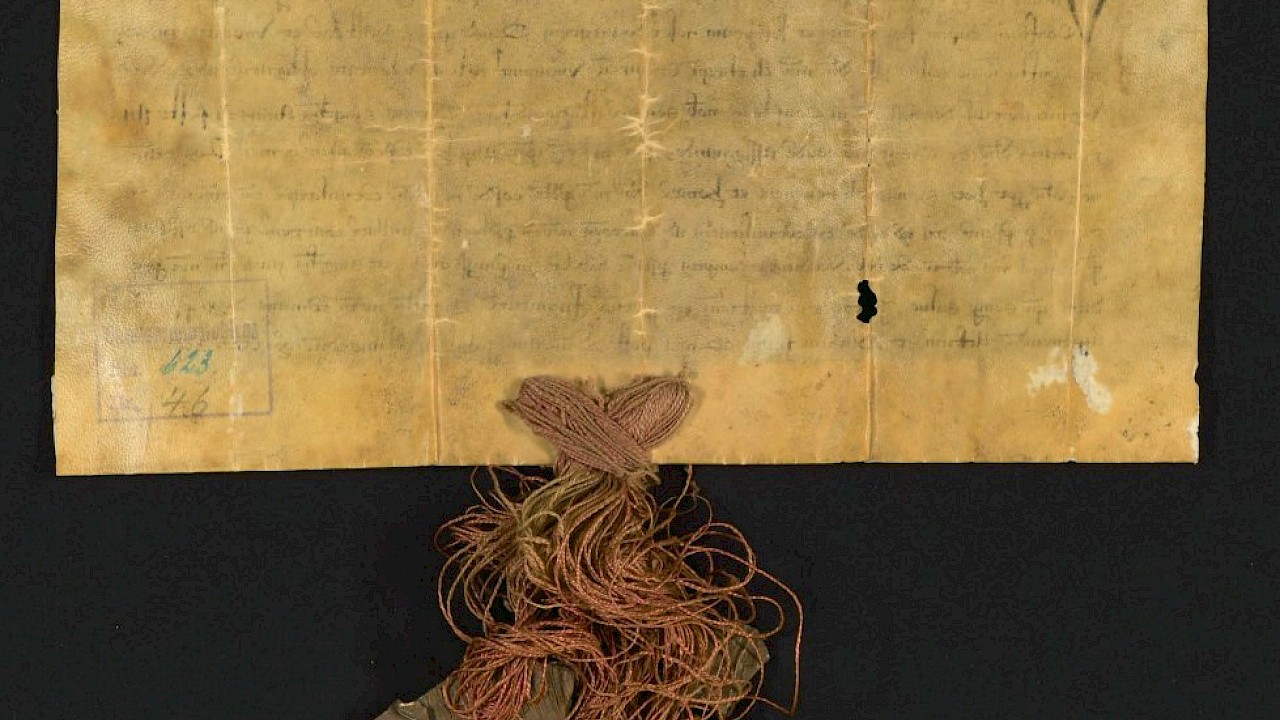
In 1306 and 1321, the French kings expel all Jews from their kingdom. Many of these Jews find protection in cities in the western region of the kingdom, for example under the rule of the Archbishop of Trier, Baldwin of Luxembourg.
In this period, Jews in several cities, including Worms and Speyer, are granted civil rights. In 1307, the city of Koblenz accepts the entire Jewish community into its community of citizens (concivilitas).
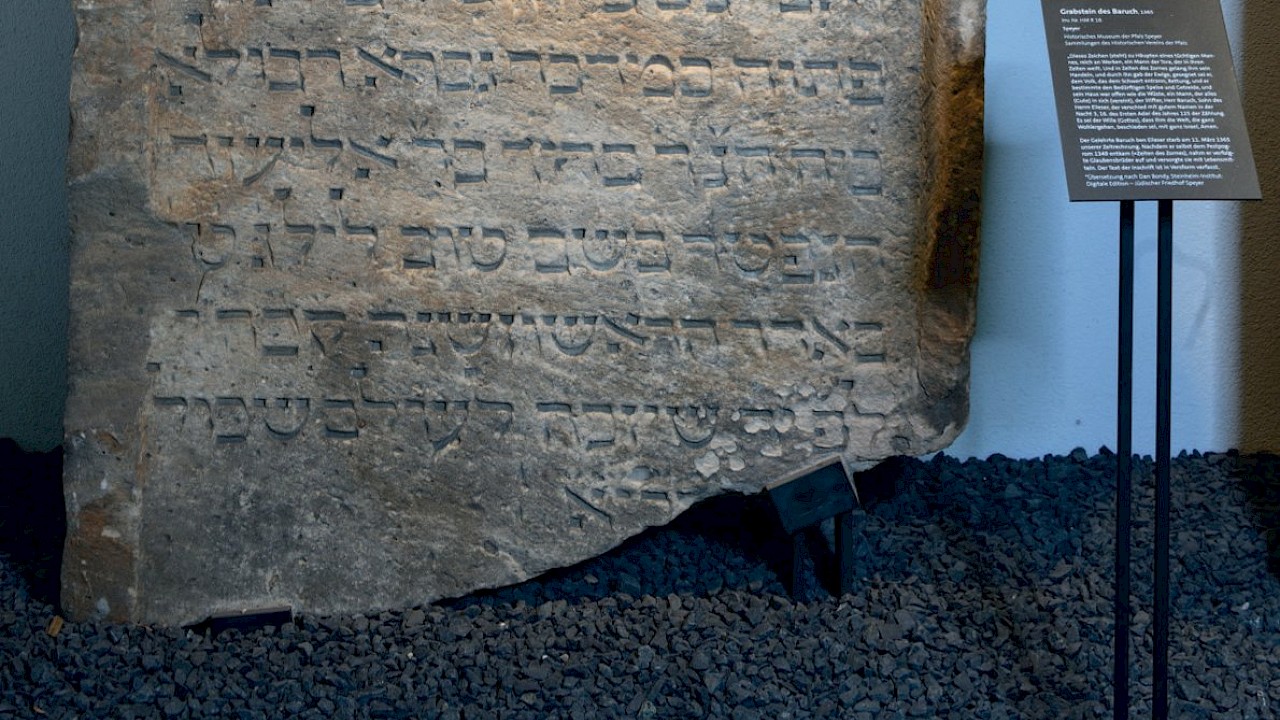
The plague wreaks havoc in Europe. Jews are accused of having caused the disease by poisoning the wells. Jews throughout the entire kingdom are subsequently murdered in pogroms and mass executions. Inscriptions on headstones still bear witness to these events in the present day.
Soon after the persecutions, survivors return to the cities. The first communities to be revived during this period include those in Koblenz, Wittlich and Speyer. However, these revived communities now find themselves confronted with new conditions and multiple limitations regarding their rights and their communal property.
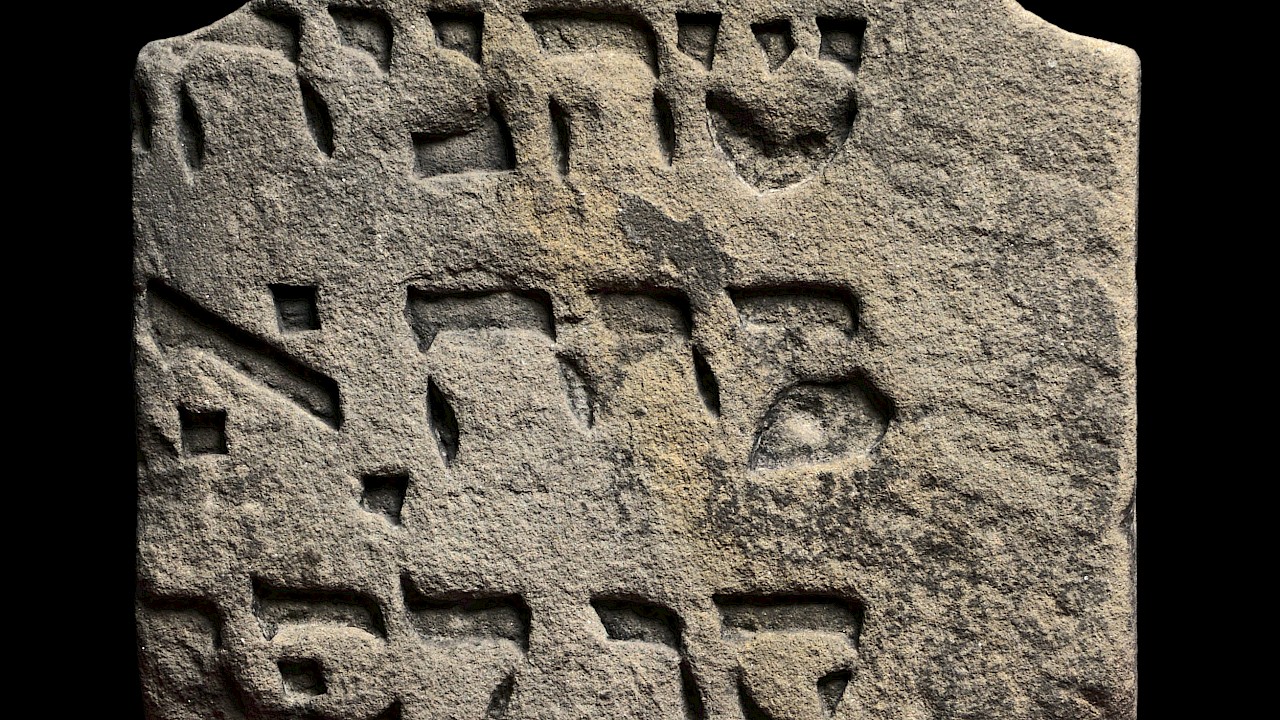
Between 1390 and the mid-16th century, the rulers in many locations expel the Jews. The first locations in Rhineland-Palatinate to be affected by this development are those under the rule of the counts palatine of the Rhine in 1390 and the archbishops of Trier in 1419. After the expulsions, a multitude of headstones are removed from Jewish cemeteries and used as building material, like this headstone from Trier.
In 1471, the Archbishop of Mainz expels the Jewish population from the prince-archbishopric, as had already occurred in 1438 and 1470. In Speyer, the Jewish population is expelled before 1490.
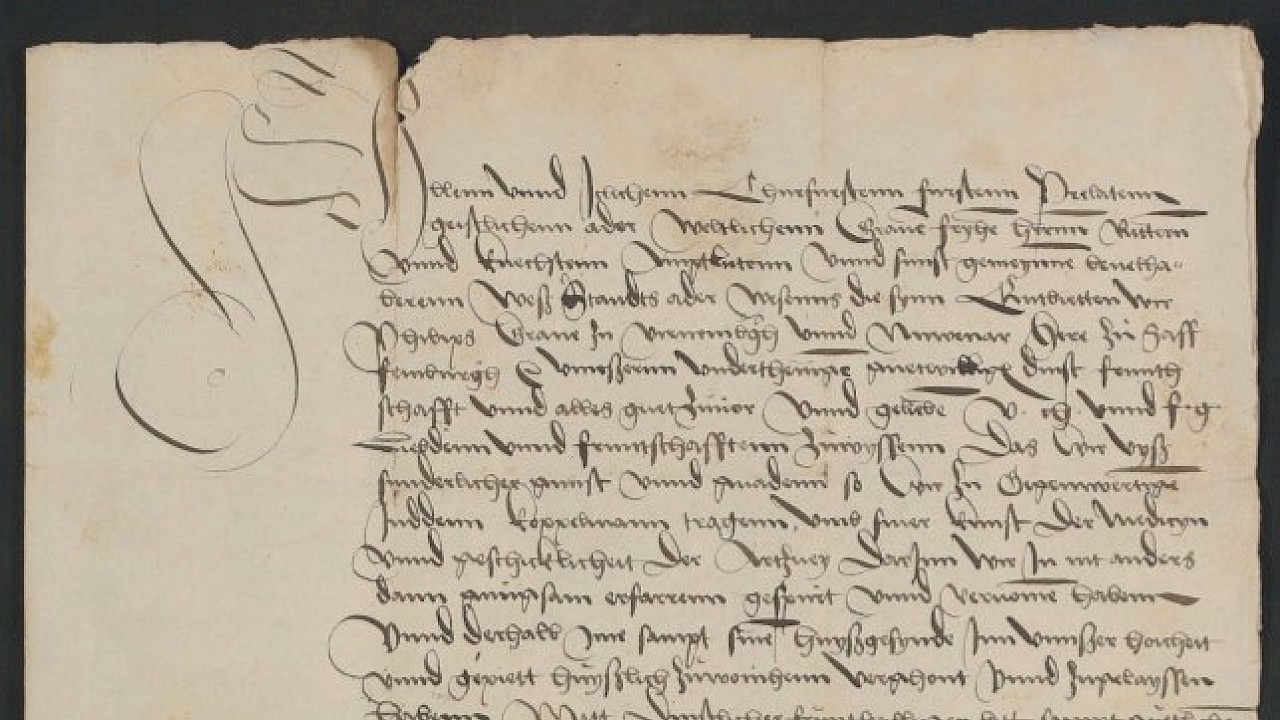
Even after the expulsions, some Jews are still able to negotiate writs of protection for themselves and their families with the territorial rulers. Many of these protected Jews are doctors, some of whom enjoy a high reputation in the Christian society despite warnings from the Church. The Jewish doctor Koppelmann, for example, is granted a letter of admission into the lordship of Pellenz due to “his art of medicine and skill in medicine”.
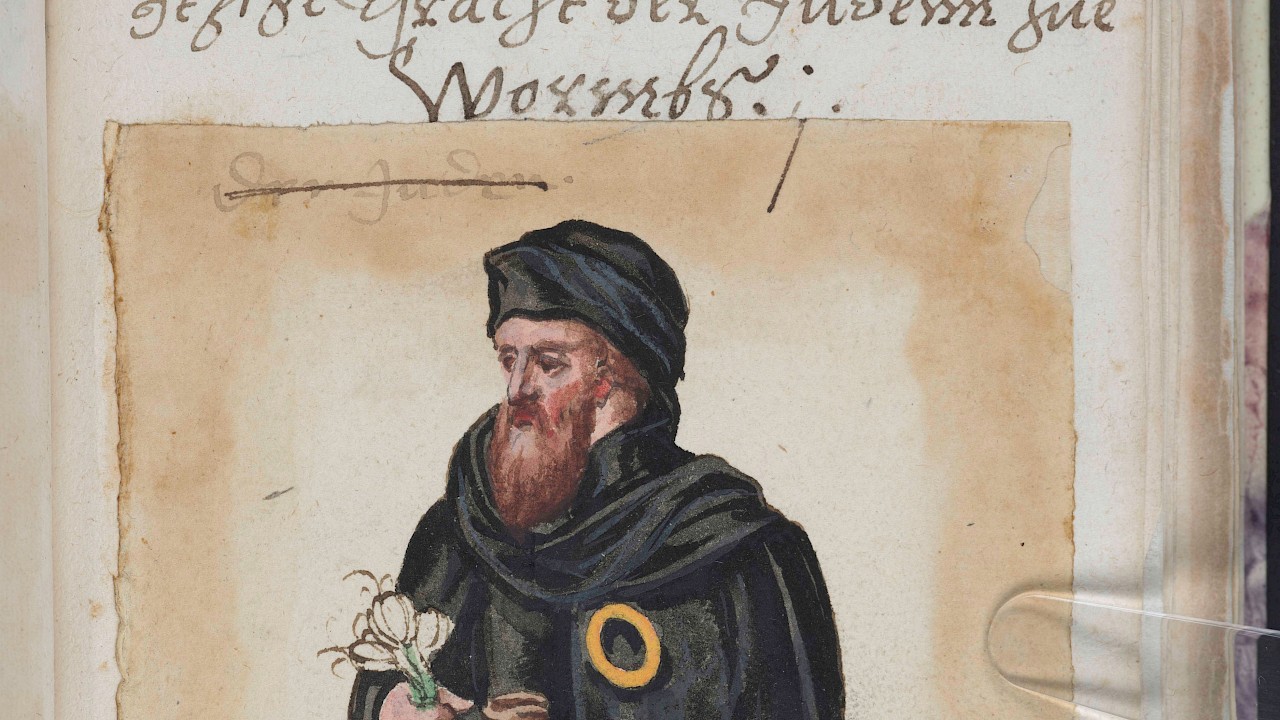
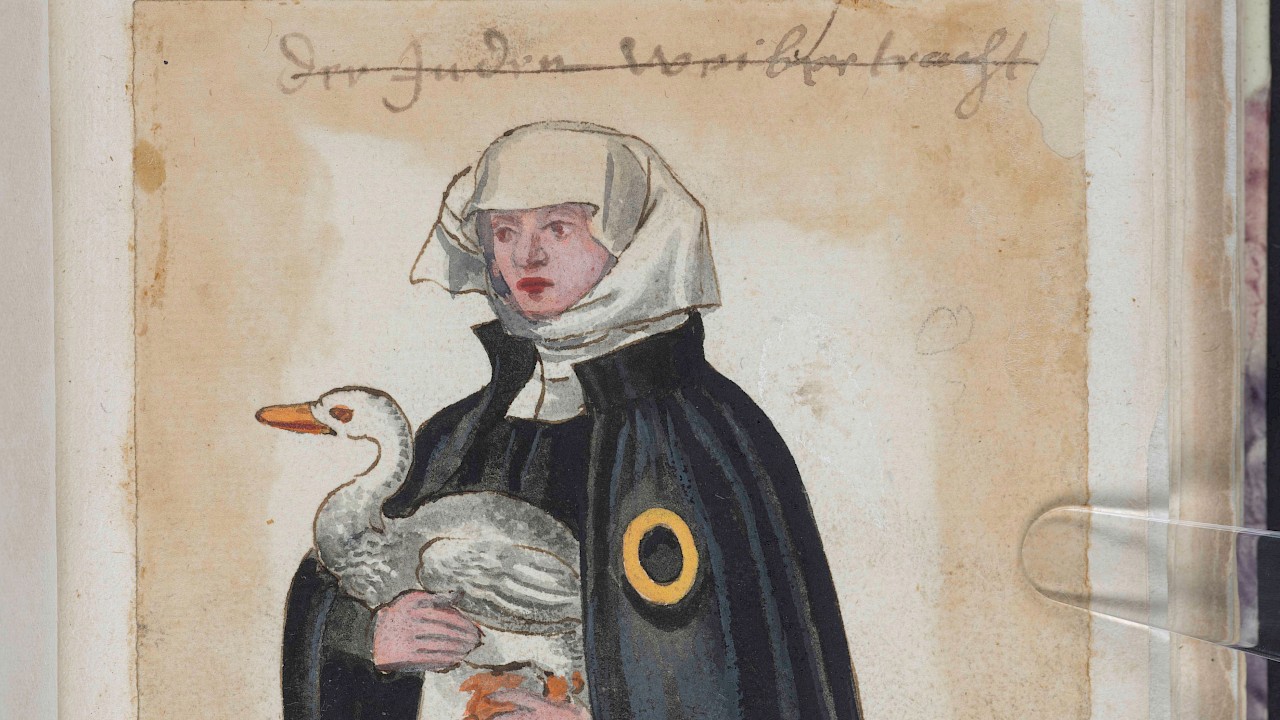
The Jewish communities remain in place in Frankfurt am Main and Worms. In Worms, a final attempt to expel the Jews by the municipal council in 1563 fails after being resisted by the Emperor. After this attempt, the city’s Jewry Ordinance is updated. This marks the end of efforts to expel the Jews and regulates the rights and duties of the Jewish community in the city.
New communities are also officially approved in other cities (Mainz, Speyer, Trier and Koblenz). Detailed administrative rulings (“policy ordinances”) regulate the residence of the Jews.
wird geladen ...

 Android
 IPhone