 LMM Guide
1933-1945 Expulsion and Genocide – The Shoah
On 30 January 1933, Hitler is appointed as Chancellor of Germany. Within an extremely short space of time, the National Socialists succeed in eliminating the constitutional state and establishing a dictatorship. Jews and political opponents in Rhineland-Palatinate and beyond are subjected to terror and despotism. In the very same year, the first Jews start to emigrate to neighbouring European countries.
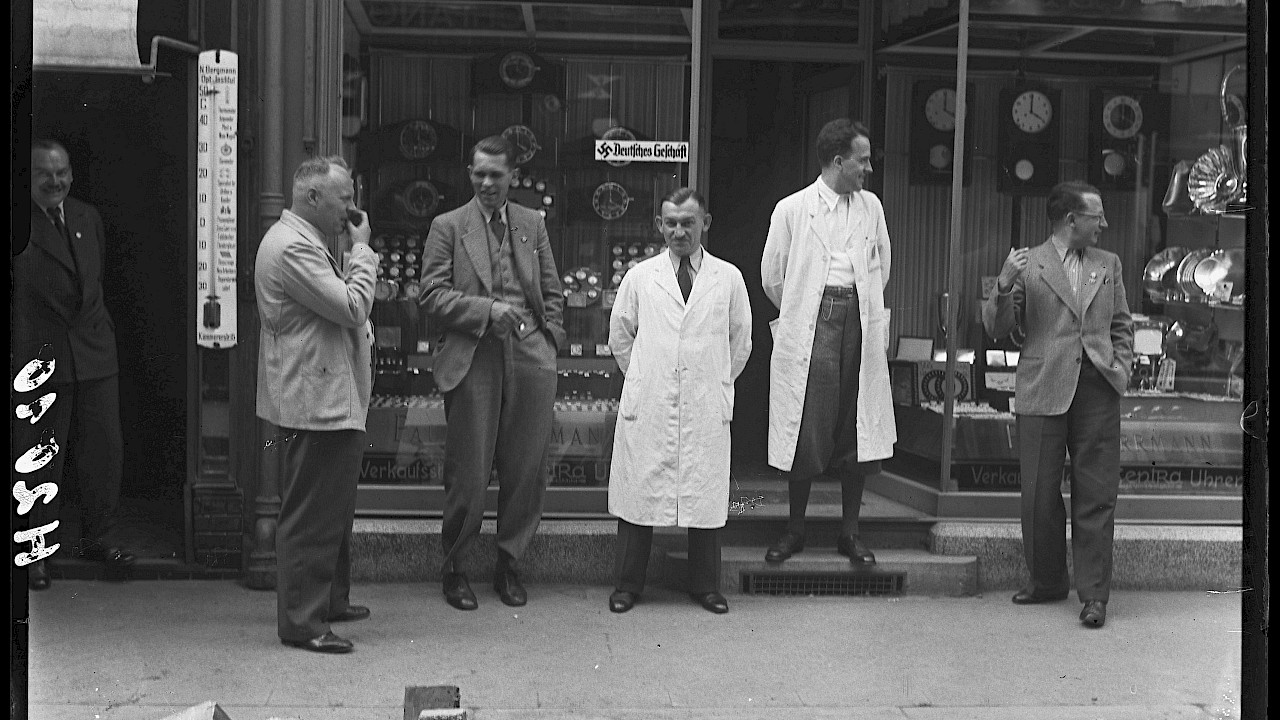
The so-called “Aryan paragraphs” of the “Law for the Restoration of the Professional Civil Service” stipulate that civil servants of “non-Aryan origin” must be forced to retire. Further ordinances also make this requirement apply to employees and public servants.
The “Law for the Protection of German Blood and German Honour” introduces a ban on marriage and extramarital intercourse between Jews and “citizens of German or related blood”. Marriages concluded in violation of this ban are deemed invalid, and spouses can be imprisoned as a consequence. The new laws lead to a second wave of emigration.
1935 - Nuremberg Racial Laws, aryanisation measures
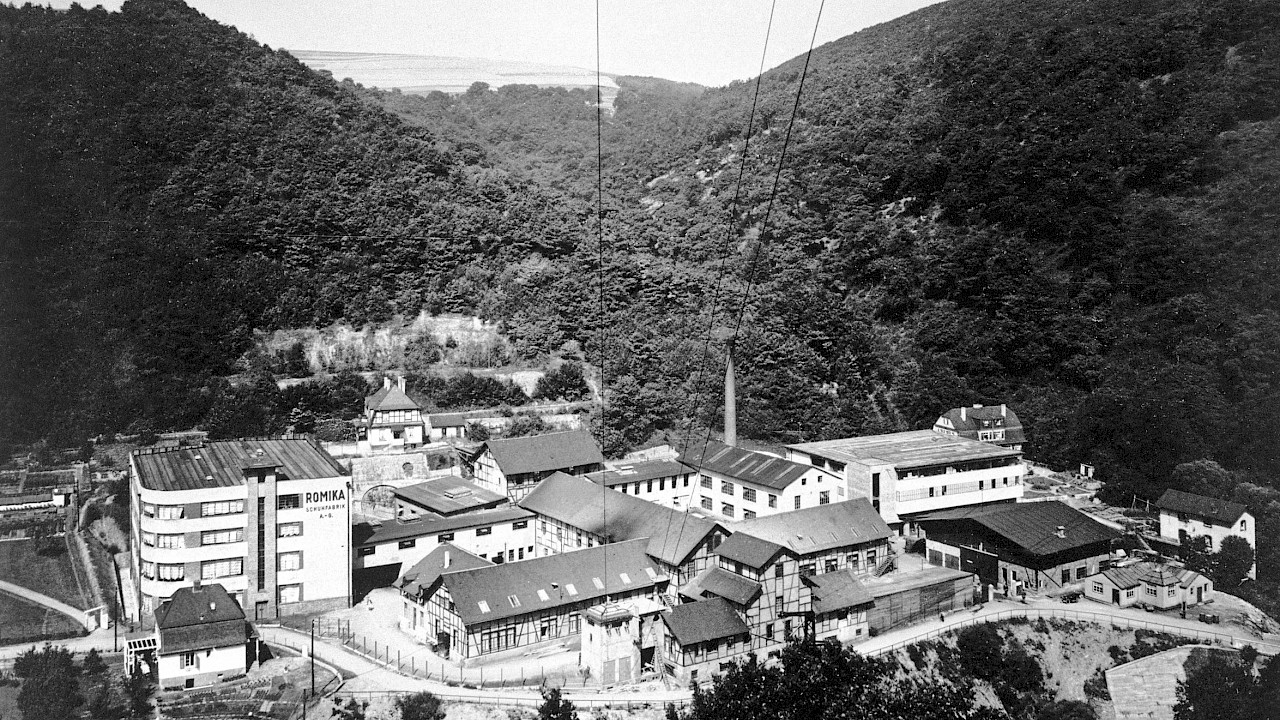
The anti-Semitic policy of the National Socialists and violent attacks by non-Jewish citizens force families such as the Jewish Rollmann family from Trier to flee Germany. As a result, the family loses ownership of its shoe factory, where it manufactures “Romika” shoes. From 1938, the “Ordinance on the Registration of Jewish Property” forms the basis for the comprehensive expropriation of all Jewish property. After the end of the Second World War, the Rollmann family attempts to institute a restitution procedure for its factory, but is unsuccessful.
In April, a decree is issued to the professors at all German universities stating that Jewish students are excluded from sitting the doctoral examination. This decree does not apply to international students and doctoral examination proceedings that are already underway. Although so-called mixed-blood students are not excluded from doctoral studies, they are forced to overcome countless obstacles.
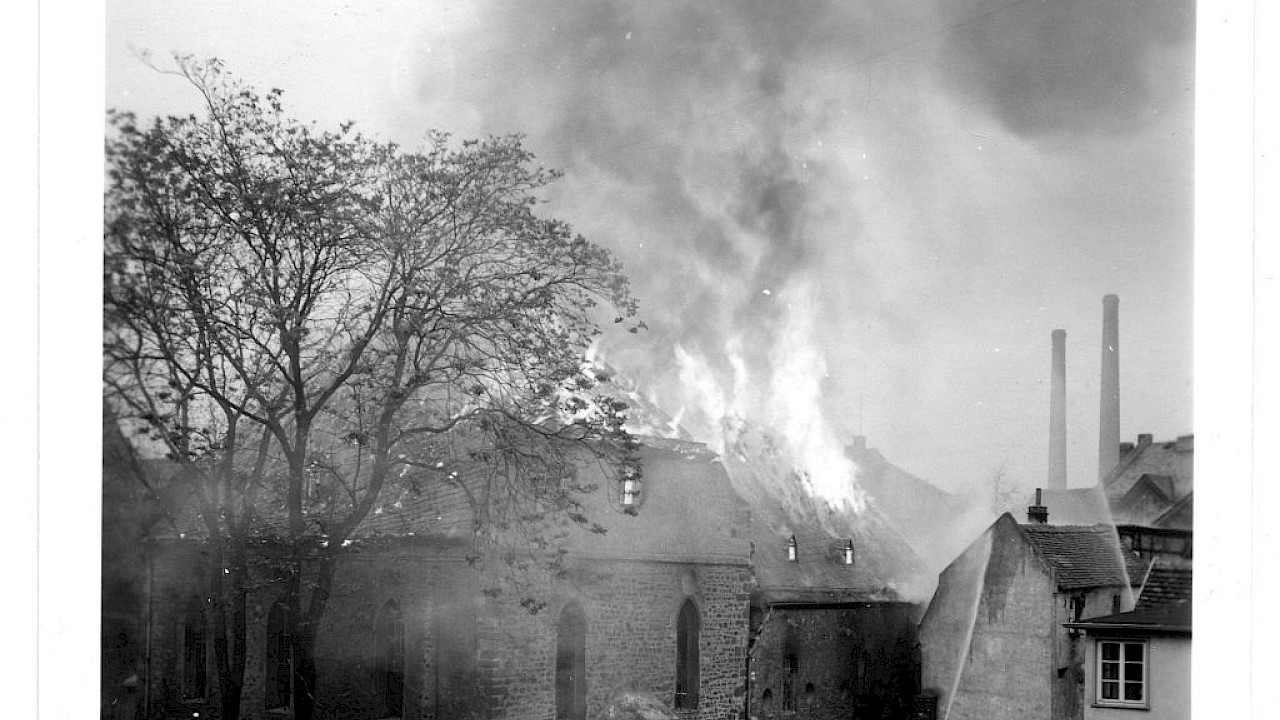
Over the course of the pogroms on 9 and 10 November, the SA and SS set synagogues on fire, smash Jewish shop windows, demolish the homes of Jewish citizens and abuse their residents. Countless individuals die during this night of terror.
On 10 November, the German authorities incarcerate more than 30,000 Jewish men in concentration camps. This terror and the subsequent increase in the deprivation of rights, expropriation and “forced Aryanisation” all aim to compel the Jews to emigrate.
On 22 October, the Gauleiter (regional leader) of the Saarpfalz district, Josef Bürckel, and his counterpart in Baden, Robert Wagner, mandate the expulsion of all Jews from the Palatinate, Saarland and Baden. 825 male and female Jews from the Palatinate are arrested in their homes, first transported to Ludwigshafen and then deported to the Gurs internment camp on the outskirts of the Pyrenees mountain range.
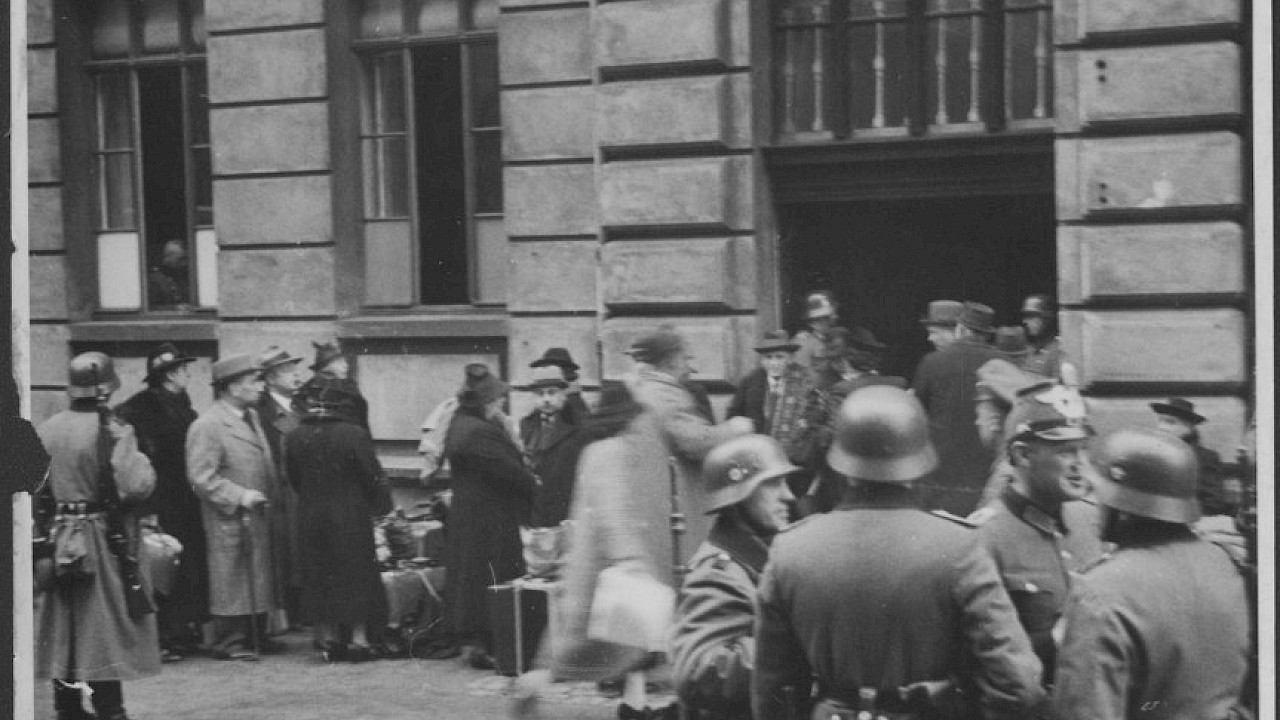
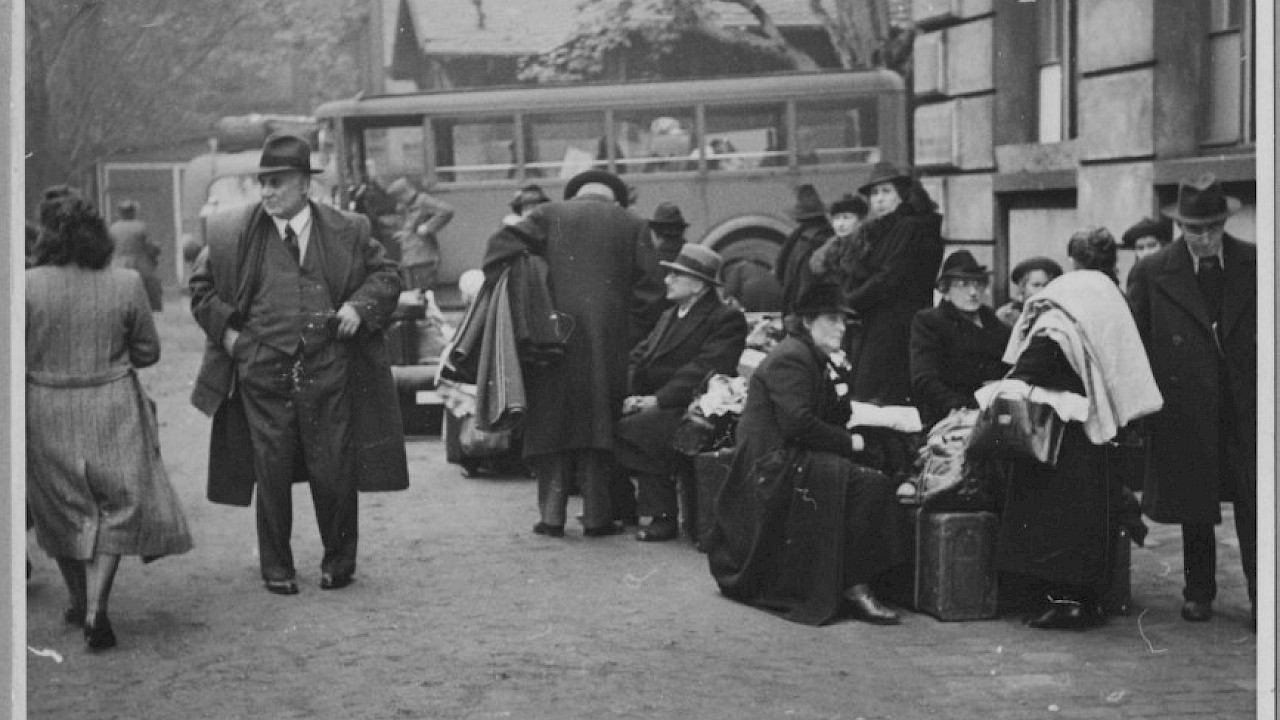
Mass deportations of Jews from the cities and regions of Koblenz and Mainz take place in March 1942. From Mainz, a special train run by the Reichsbahn state railway takes passengers via Darmstadt to the Piaski ghetto near Lublin, Poland. Deportations from Trier have already been operating since October 1941.
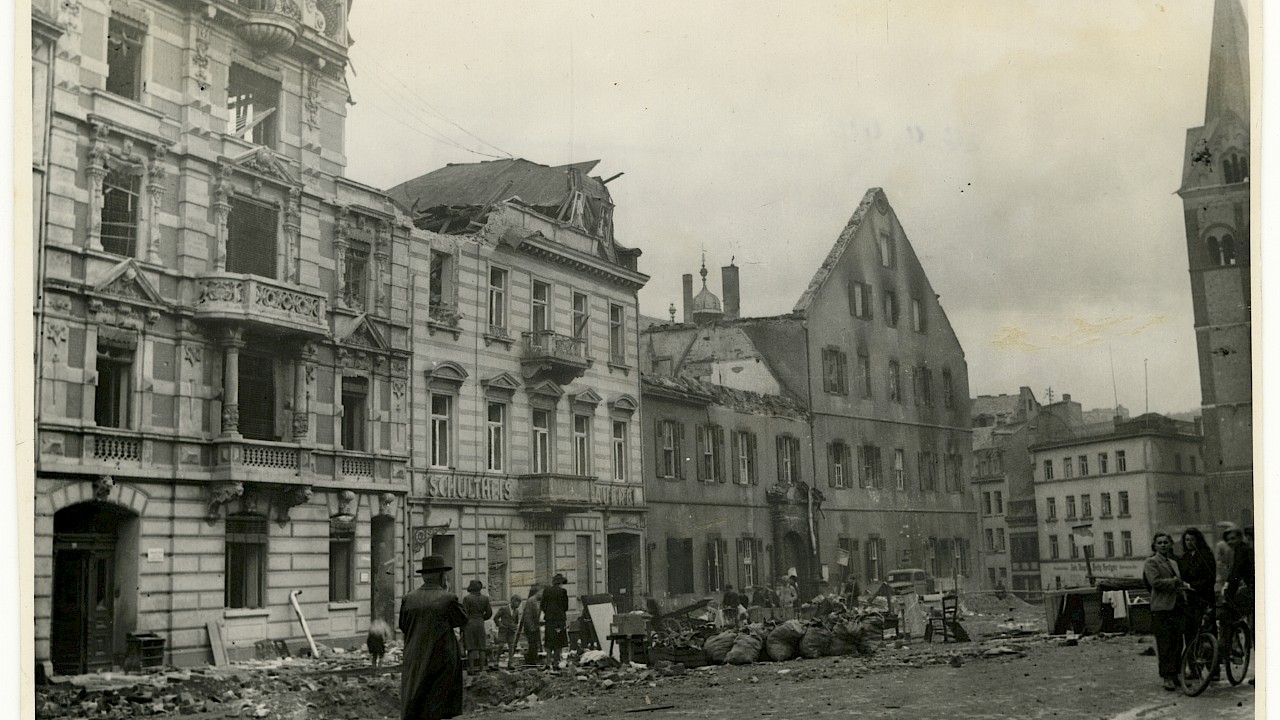
At the end of the war, the cities are left in ruins. Synagogues and community buildings that had not yet been destroyed or used for other purposes are now also demolished by devastating bombing raids. In Koblenz, the former synagogue in Bürresheimer Hof remains undamaged because it was used as a municipal economic and food office during the November pogroms. It remains standing until it is destroyed in the bombing raids of 1944.
wird geladen ...

 Android
 IPhone