 LMM Guide
1900 A new Home in the Metropolis?
As early as at the end of the 19th century, a “rural exodus” begins. Many Jews move from rural locations to towns and cities for economic reasons or to join larger communities where they hope to find protection against growing anti-Semitism. Some Jews even emigrate to America. As a result, the village of Gau-Bickelheim already stops holding regular services from 1908 onwards.
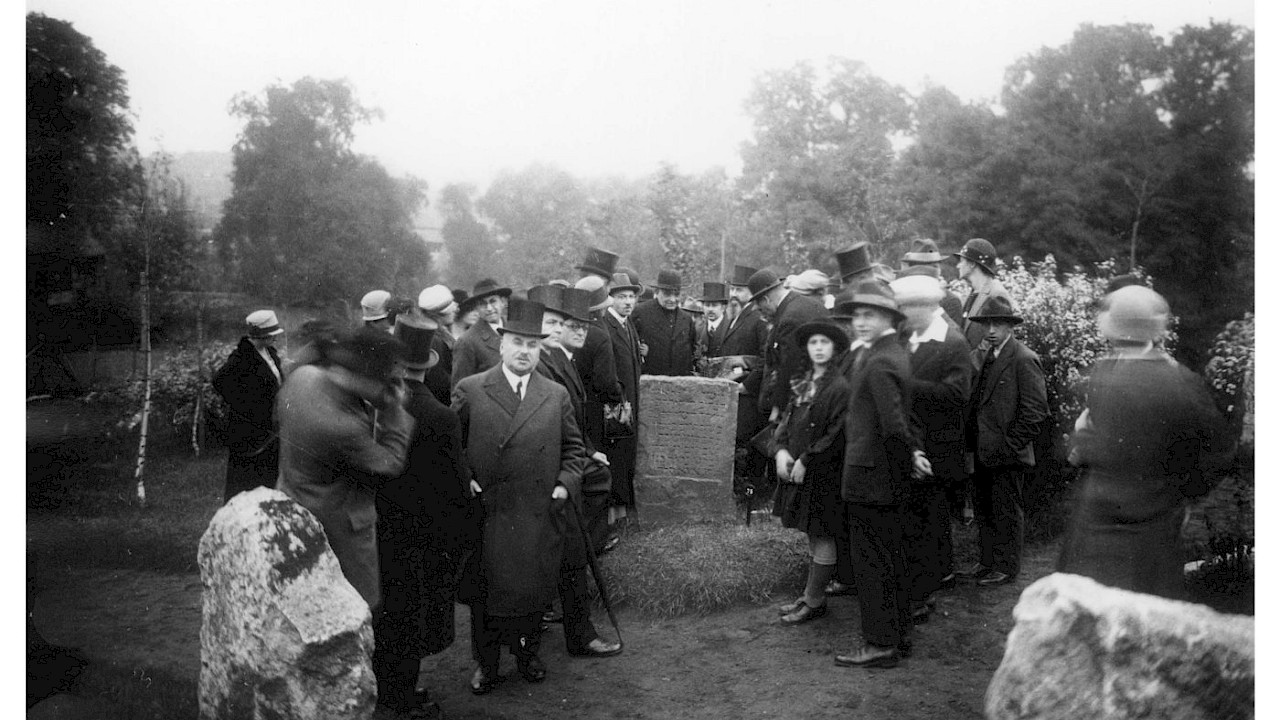
In October 1926, Rabbi Sali Levi officially opens the Memorial Cemetery on the site of the medieval Jewish cemetery at a ceremony attended by numerous state, city and Church dignitaries. Headstones found throughout the city are re-erected in the cemetery after having been reused as building material following the expulsion of the Jews in the 15th century.
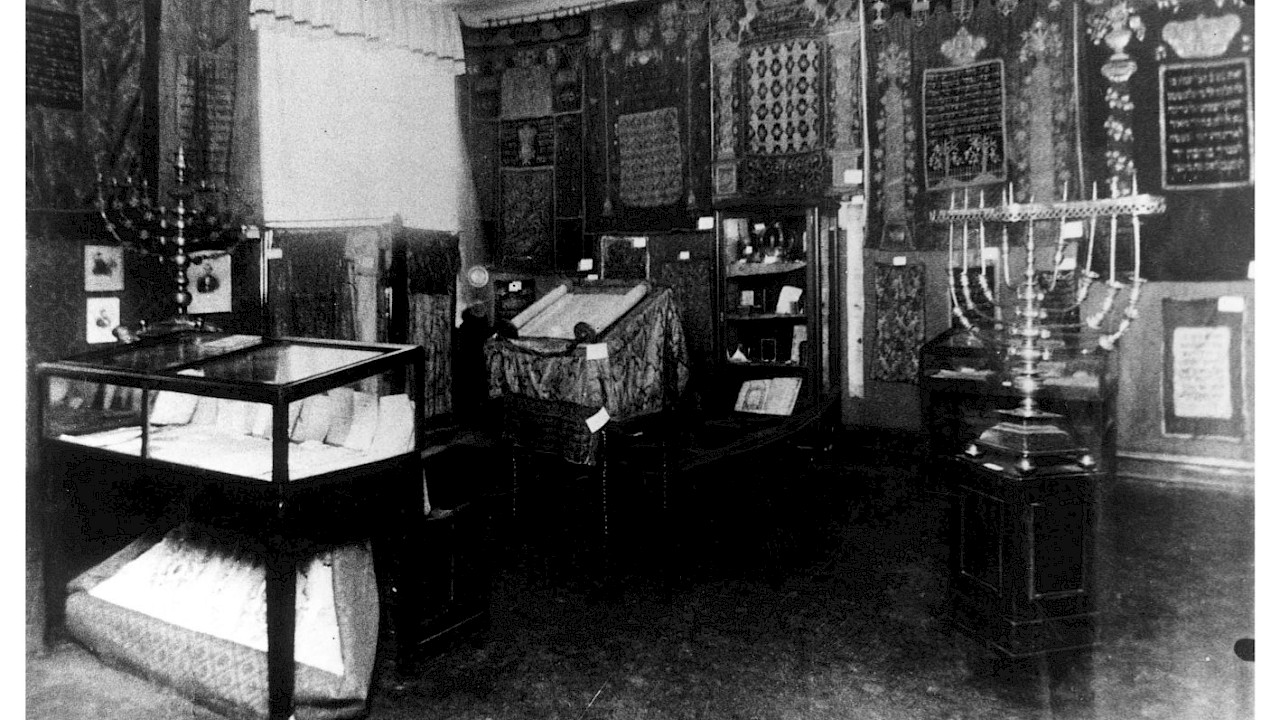
The “Association for the Preservation of Jewish Antiquities in Mainz” opens a museum in the main synagogue in Mainz. In 1938, the association is dissolved by the National Socialists. While a large number of the exhibits are destroyed in the November pogrom, a multitude of items from this impressive collection can be protected from the persecution and survive the war.
Since 1983, the State Museum Mainz has been presenting selected exhibits from this collection as loans from the Jewish Community of Mainz-Worms.
wird geladen ...

 Android
 IPhone