 LMM Guide
1800 Justice and injustice
The Civil Code of the French (code civil) plays an essential role in improving the legal standing of the Jews in Rhineland-Palatinate and reducing discrimination. Legal equality and the abolition of discriminatory special rights promote integration. However, these developments also come with duties such as conscription.
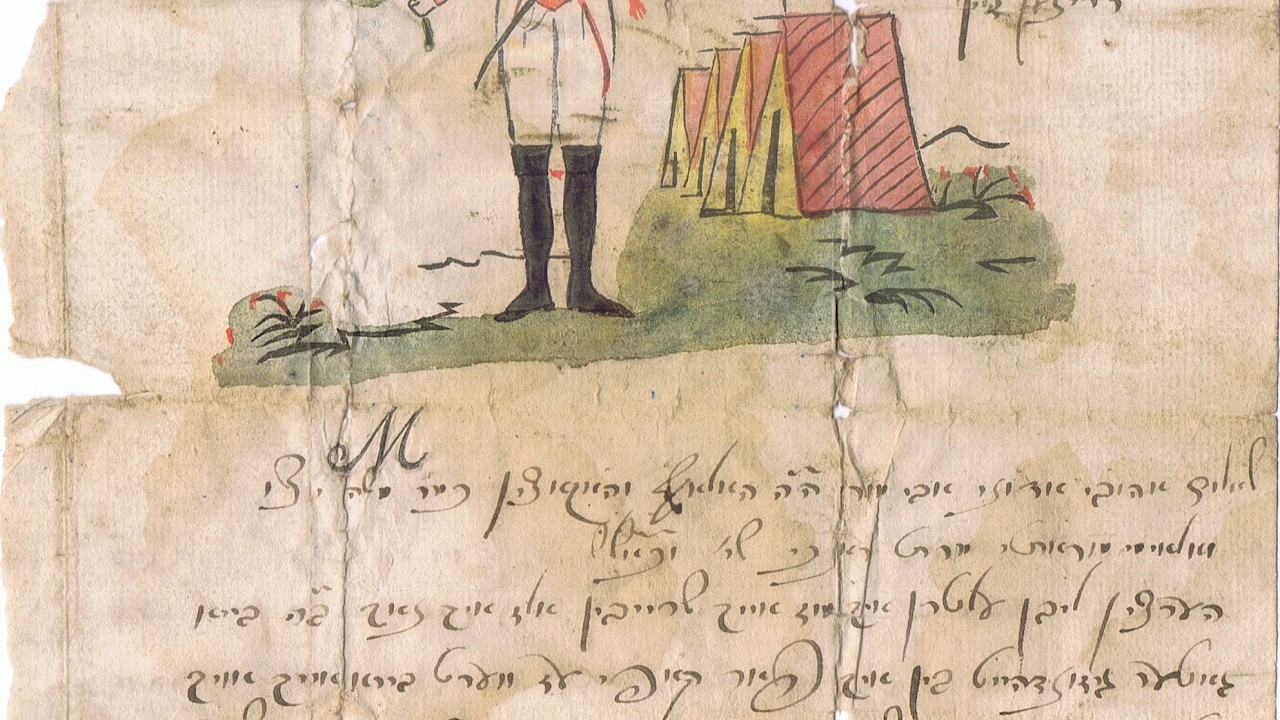
This decree passed by Napoleon leads to restrictions for Jews in social and economic circles. Occupational bans and limited freedom of movement worsen the living conditions of Jews. This development is a huge setback for the social standing of Jews in Rhineland-Palatinate.
18 September 1814 to 9 June 1815 Congress of Vienna
Following the Congress of Vienna in 1815 and the reorganisation of Europe after the downfall of Napoleon, a multitude of national borders in Europe are redefined and new states are created. The Palatinate is initially allocated to Austria and then to Bavaria in 1816, the Grand Duchy is given to Rhine-Hesse, and the former Rhin-et-Moselle department is allocated to Prussia.
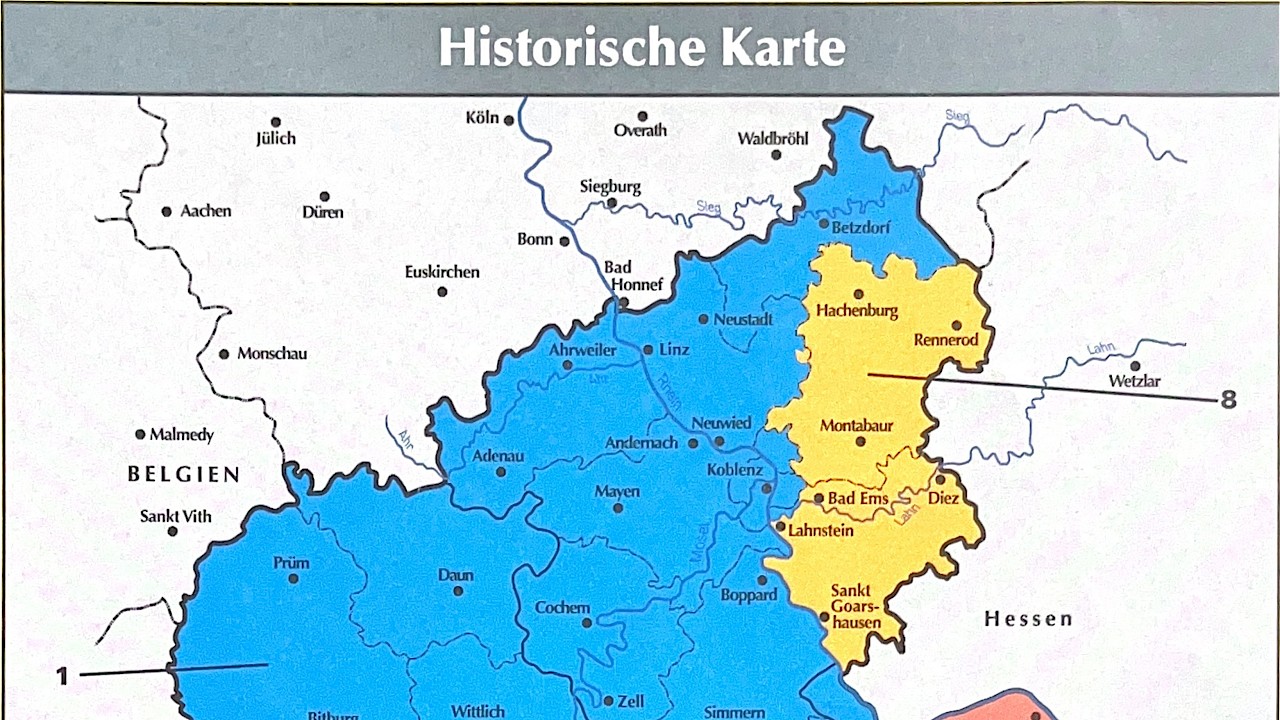
The Prussian Jewish Law grants all Jewish communities in Prussia, which includes parts of Rhineland-Palatinate, the status as legal entities governed by public law. It also governs a so-called “community pressure”. The state is divided into synagogue districts, each forming a synagogue community. These districts help to organise the individual Jewish congregations and synagogues as well as the Jewish communities within the districts.
wird geladen ...

 Android
 IPhone