 LMM Guide
1600-1700 From reconstruction to the first case of equality
After the unrest of 1615, the synagogue complex in Worms needs to be recovered. The women’s shul is now given an impressive annex building, the upper floor of which contains a ‘chamber’ for the council of the Jewish community. The patron David Oppenheim also funds the construction of a yeshiva (educational building) in 1624 and the Tahara House (a building for the ritual cleansing of corpses) at the cemetery in 1626.
After the Thirty Years’ War, the circumstances in Germany also improve for the Jewish population. Smaller communities emerge in many small towns and even villages and soon build their own synagogues and cemeteries. The Jews in these communities secure their rights of residence by paying taxes to the territorial lords and earn a living by trading in livestock, small goods or, in the Palatinate, wine.
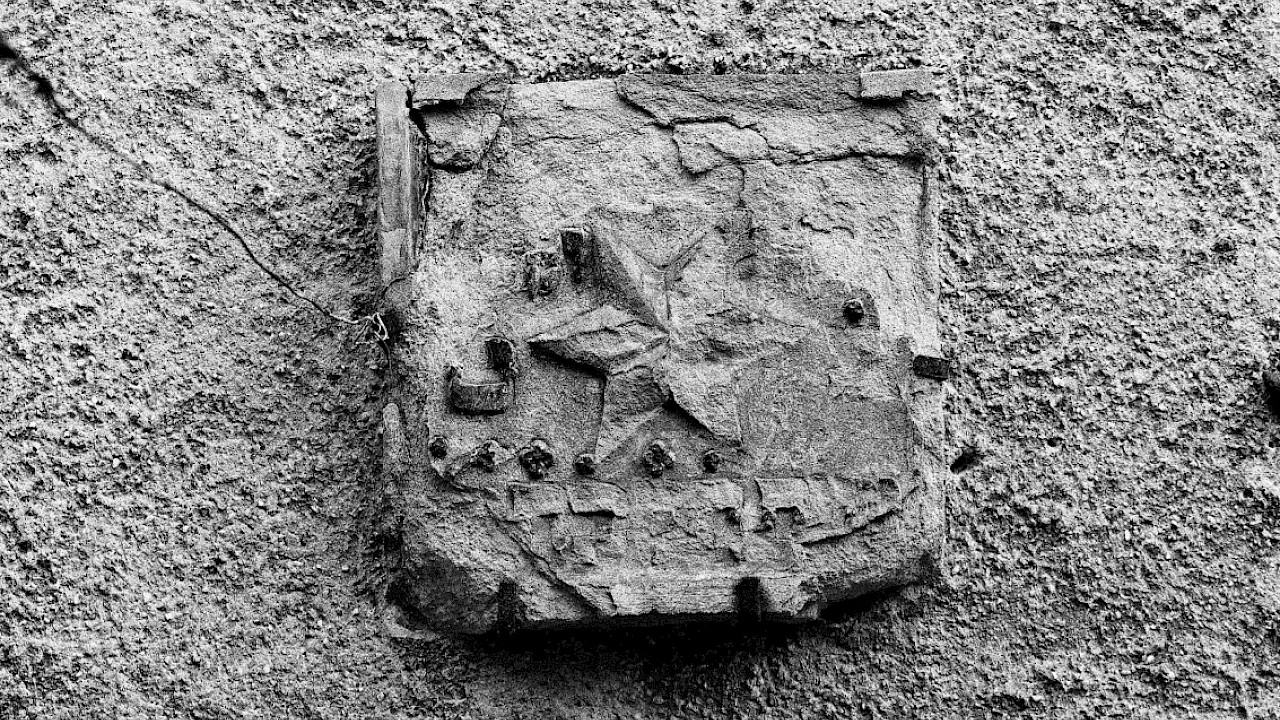
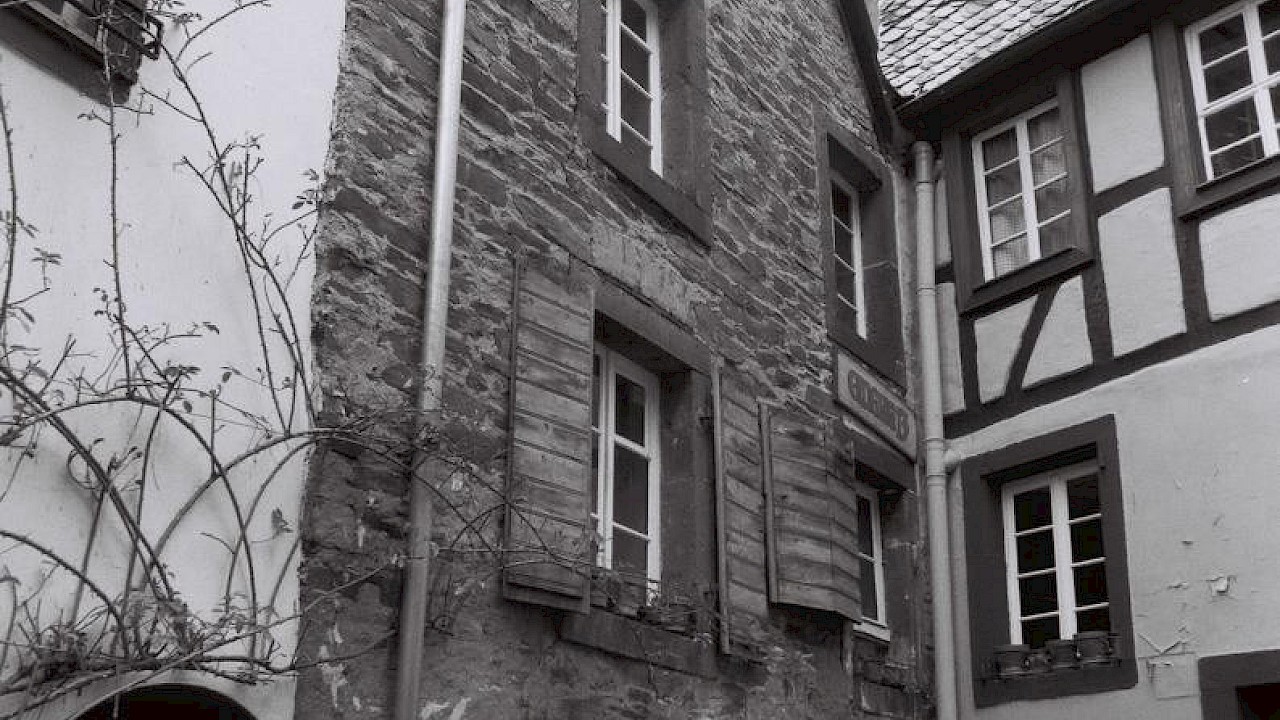
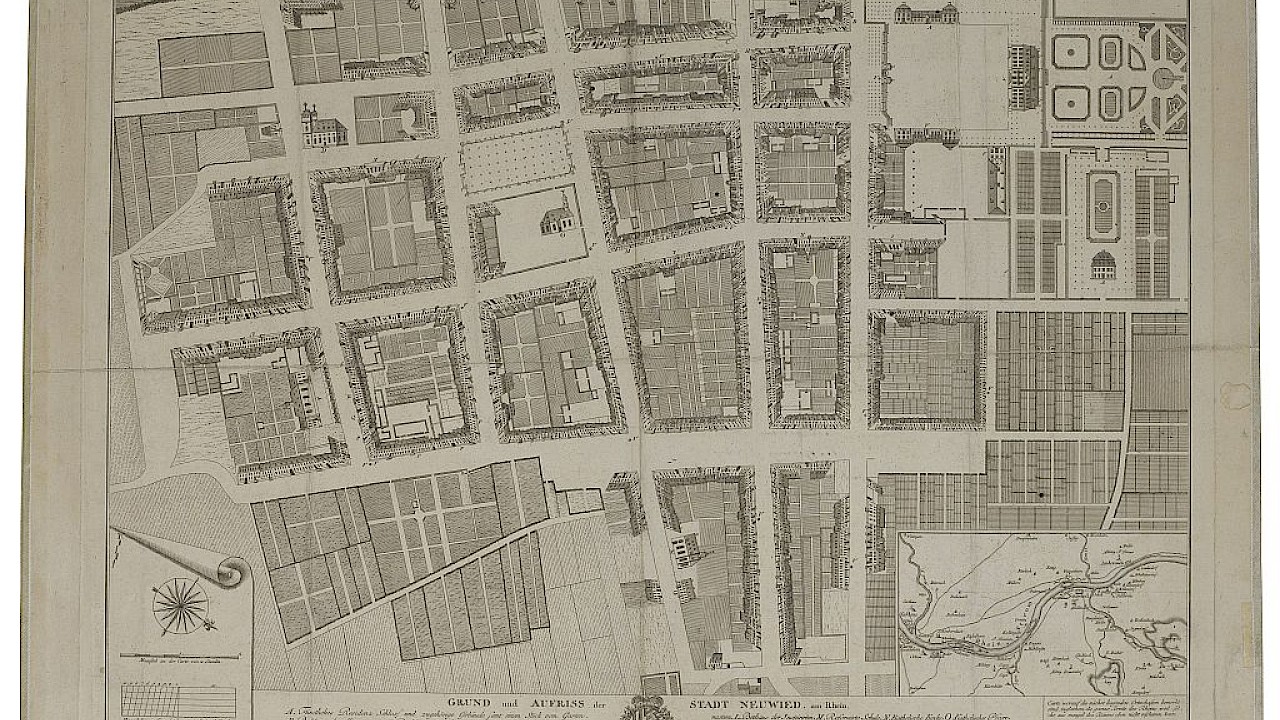
Count Frederick III grants the town of Neuwied (founded in 1653) a town charter that allows all citizens to practice their religion freely in their homes. In the 18th century, members of seven confessions already live in the town. The mapping of their homes shows that these people of various confessions lived in the same neighbourhoods, so there were no ghettos. In the same year, however, the Prince-Elector of Mainz ordered that in his capital city, all Jews must live in the narrow Jewish alley.
The organisation of relief for the poor (tzedakah) has always been of central importance to Jewish communities. In the modern era, associations handle this task. One of these associations is founded in Koblenz in 1776. It is a sign of solidarity and welfare in times that are often challenging and it is one of the first associations of its kind in Rhineland-Palatinate.

The General Rescript makes regional law and regional courts binding for the Jews, too. It stipulates that compulsory education and the opening of regional schools must also apply to Jewish children and it treats Jews and Christians as equal with regard to the acquisition of property. It also allows Jews to set up their own factories and to work in professions that are not organised in guilds. The General Rescript additionally limits the self-administration of the Jewish community and the jurisdiction of the rabbis. Jews are also now allowed to study Medicine at the University of Mainz.
During the French Revolution, equal rights for Jewish citizens in Mainz and areas on the left bank of the Rhine River progress. The reforms include the recognition of Jewish residents as full citizens. These reforms represent a milestone in the history of the Jewish community in the areas of the empire occupied by France.
As part of the reforms during the French Revolution, Jews are granted permission to practice their trades and professions freely. Jews are also no longer required to live in specific neighbourhoods. This is an important step towards the equality and self-determination of the Jewish citizens in Rhineland-Palatinate.
wird geladen ...

 Android
 IPhone