 LMM Guide
Audio
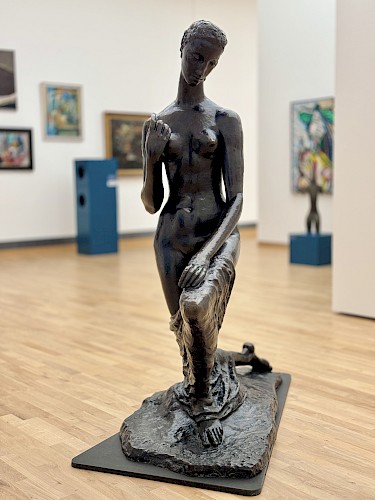
Wilhelm Lehmbruck, The Kneeling One, 1911, bronze, Inv.-Nr. 79/332
GDKE, Landesmuseum Mainz
Beauty in bronze
Elegance, grace, stillness and sometimes sadness – these are the associations that Wilhelm Lehmbruck's sculptures evoke. His characteristic style with exaggerated proportions of the human figure makes him one of the most famous German sculptors of classical modernism alongside Ernst Barlach. After studying at the Düsseldorf Art Academy, he moved to the Parisian art metropolis in 1910. He had already been taking part in the annual art exhibitions at the Grand Palais for three years, but it was not until the 1911 Autumn Salon that he celebrated his artistic breakthrough with the monumental "Kneeling Woman". With it’s nearly complete nudity and overly long limbs, Lehmbruck created a radical departure from sculptural tradition, shocking viewers of the time. The sculpture became internationally known in 1913, being the only German sculptor allowed to participate in the Armory Show in New York, Boston and Chicago.
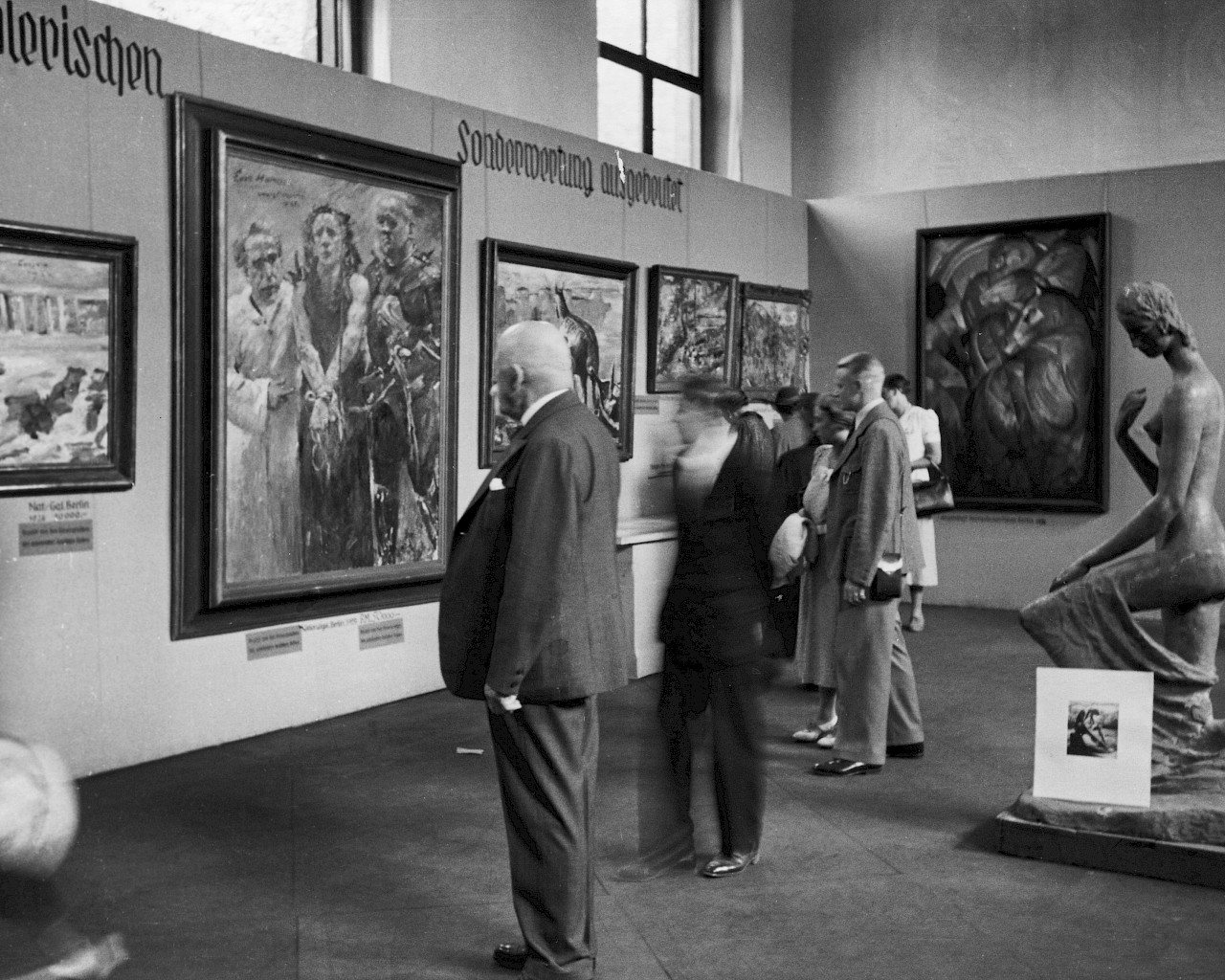
The “Large Kneeling Woman" also achieved sad fame: In its cast stone version, it was one of the central sculptures in the "degenerate art" exhibition organized by the National Socialists in Munich in 1937. In retrospect, this made it a symbol of ostracized modernism. Lehmbruck himself was not Jewish and had already been dead for many years after his suicide in 1919. Nevertheless, the "Large Kneeling Woman" and other works of his were confiscated from museums and defamed, as they did not correspond to the National Socialist regime's ideal of naturalistic art. In the "degenerate art" exhibition, which toured many German cities, the art was disrespected, hung close together, often without picture frames, on walls smeared with slogans. In Munich alone, 650 works of art from 32 German museums were shown at the time. in 1955, Lehmbruck's “Large Kneeling Woman" was centrally staged and rehabilitated at documenta 1 in Kassel.



mobilewebguide LMM Guide
wird geladen ...

Ein Angebot von satelles.de:
erfahren - erleben - entdecken
 Android
 IPhone